Fuente oficial: https://www.fns.usda.gov/wic
Maternal and child nutrition support is essential for ensuring a healthy start to life for both mothers and their young children. Access to nutritious food and proper guidance during pregnancy and early childhood can have a profound impact on physical and cognitive development. This article delves into the importance of maternal and child nutrition support, exploring the various programs and assistance available to women and children in need, and highlighting the long-term benefits of investing in their well-being.
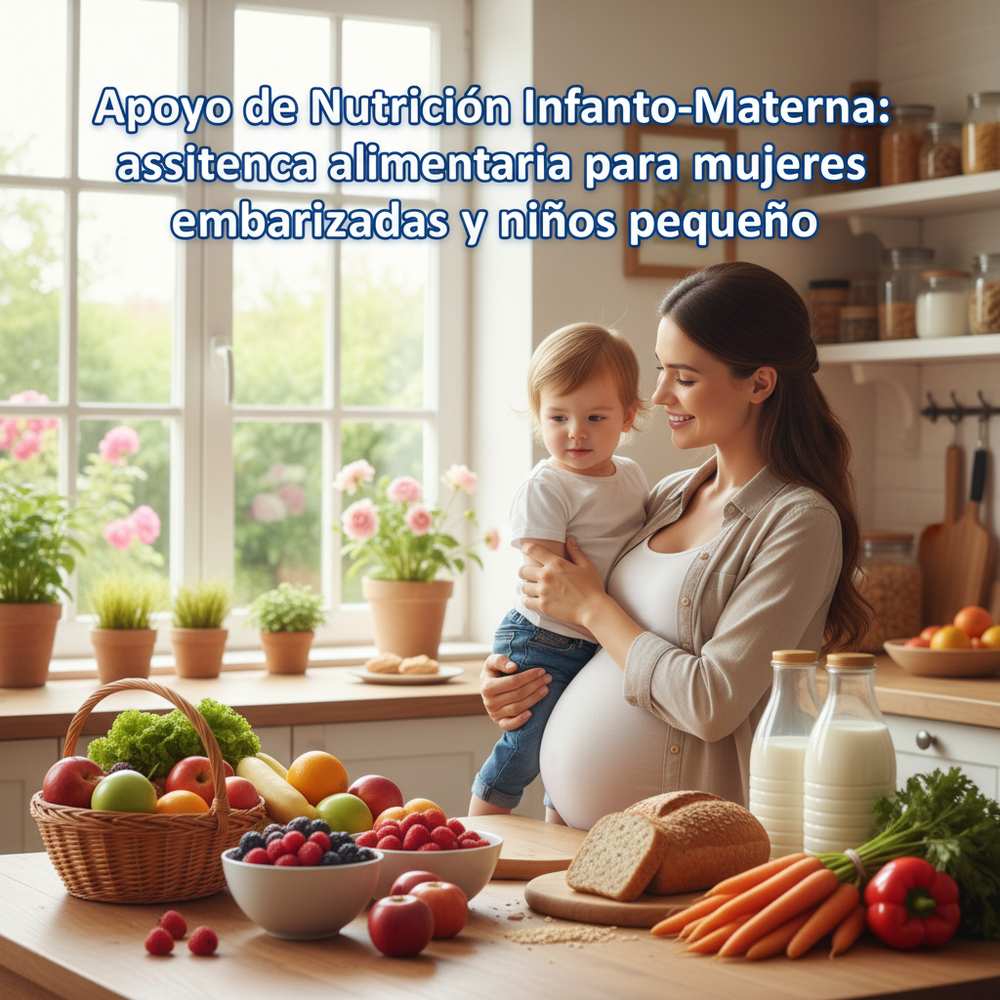
Apoyo de Nutrición Infanto-Materna: Asistencia Alimentaria para Mujeres Embarazadas y Niños Pequeños
Ensuring the health and well-being of pregnant women and young children is a critical priority. This is where apoyo de nutrición infanto-materna (maternal and child nutrition support) comes in, offering crucial assistance to those who need it most. Let’s explore this vital area and understand how it helps build a healthier future.
¿Por Qué es Importante el Apoyo de Nutrición Infanto-Materna? 🤰👶
The first few years of a child’s life, and the period of pregnancy, are absolutely critical for growth and development. Deficiencies in essential nutrients during this time can have irreversible consequences. Therefore, nutrition support programs play a crucial role in:
- Promoting healthy pregnancies: Adequate nutrition helps reduce the risk of complications during pregnancy and childbirth.
- Supporting optimal fetal development: A well-nourished mother provides the building blocks for a healthy baby.
- Ensuring healthy growth and development in children: Proper nutrition fuels physical and cognitive development in early childhood.
- Preventing malnutrition and related health problems: Early intervention can prevent deficiencies and their associated health risks.
These programs provide essential resources, knowledge, and access to nutritious foods, ensuring that both mothers and children thrive. A well-nourished start contributes significantly to lifelong health and well-being.
¿Quiénes Se Benefician del Apoyo de Nutrición Infanto-Materna? 🤔
These programs are designed to reach those most in need. Typically, beneficiaries include:
- Pregnant women: Especially those with low incomes or at risk for nutritional deficiencies.
- Postpartum women: To support recovery and breastfeeding.
- Infants and young children: From birth to five years old, particularly those at risk for malnutrition.
- Low-income families: Facing food insecurity and limited access to nutritious foods.
These programs often prioritize those with limited access to resources and aim to bridge the gap in nutritional support. Targeting vulnerable populations ensures that resources reach those who need them most.
Tipos de Asistencia Alimentaria Disponibles 🍎🥦
Various types of support are offered to address the diverse needs of pregnant women and young children. Some common forms of assistance include:
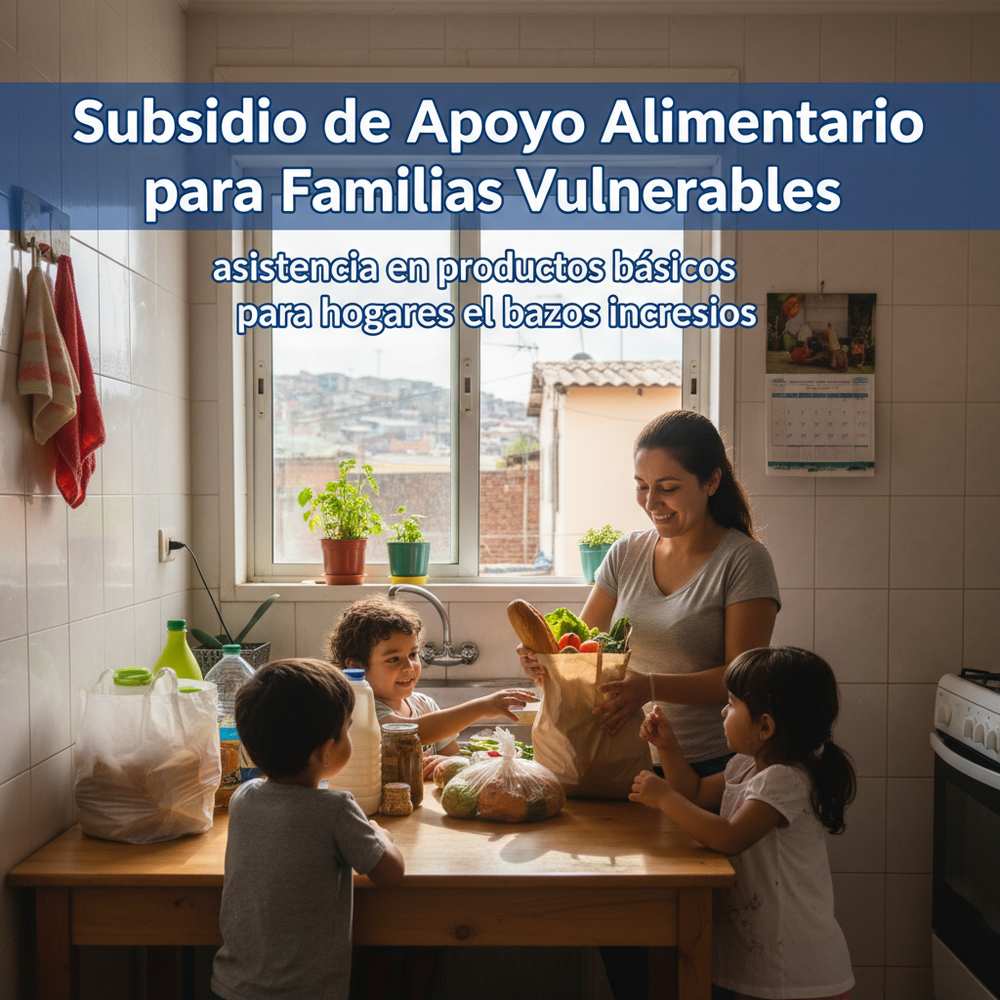
- Food packages: Providing nutritious foods such as milk, eggs, fruits, vegetables, and whole grains.
- Vouchers or Electronic Benefit Transfer (EBT): Allowing families to purchase approved food items at grocery stores.
- Nutrition education: Teaching pregnant women and caregivers about healthy eating habits and meal planning.
- Breastfeeding support: Providing guidance and resources to promote successful breastfeeding.
- Referrals to other health and social services: Connecting families with additional support, such as medical care or housing assistance.
These diverse forms of assistance aim to provide a comprehensive support system, addressing not only food insecurity but also nutritional knowledge and access to other essential services. The goal is to empower families to make informed choices about their health and well-being.
Ejemplos de Programas de Apoyo de Nutrición Infanto-Materna 🤝
Several programs are dedicated to providing maternal and child nutrition support. Some prominent examples include:
- WIC (Special Supplemental Nutrition Program for Women, Infants, and Children): A federal program in the United States that provides food, nutrition education, and healthcare referrals to low-income pregnant, breastfeeding, and postpartum women, infants, and children up to age five. WIC is a cornerstone of maternal and child nutrition support in the U.S.
- Head Start: A comprehensive early childhood education program that provides nutritional meals and snacks, as well as nutrition education for children and families. Head Start focuses on holistic development, including nutrition.
- SNAP (Supplemental Nutrition Assistance Program): While not exclusively for maternal and child nutrition, SNAP helps low-income families purchase groceries, including nutritious foods for pregnant women and young children. SNAP plays a vital role in addressing food insecurity.
- Local food banks and community organizations: Offering food assistance and nutrition education to families in need. Community-based programs are crucial for reaching vulnerable populations.
These programs, often operating at the federal, state, and local levels, work together to create a safety net for pregnant women and young children, ensuring they have access to the nutrition they need to thrive. Collaboration and coordination are essential for maximizing the impact of these programs.
El Impacto a Largo Plazo del Apoyo Nutricional 🚀
Investing in maternal and child nutrition support yields significant long-term benefits, impacting not only individual health but also societal well-being. These benefits include:
- Improved health outcomes: Reducing the risk of chronic diseases and improving overall health throughout life.
- Enhanced cognitive development: Supporting brain development and improving academic performance.
- Increased economic productivity: Healthier and more educated individuals contribute more to the workforce.
- Reduced healthcare costs: Preventing health problems and reducing the need for costly medical interventions.
The positive effects of early nutrition interventions ripple throughout a person’s life, contributing to a healthier, more productive, and equitable society. Early investment in nutrition is an investment in the future.
Cómo Acceder al Apoyo de Nutrición Infanto-Materna 📝
If you or someone you know needs maternal and child nutrition support, here are some steps you can take:
- Contact your local health department: They can provide information about available programs and eligibility requirements.
- Visit the WIC website: To learn more about the WIC program and find a local office.
- Contact a local food bank or community organization: They can offer food assistance and connect you with other resources.
- Talk to your doctor or healthcare provider: They can assess your nutritional needs and provide recommendations.
Accessing these resources can be a life-changing step for families in need. Don’t hesitate to reach out for help.
Superando Barreras al Acceso 🚧
While maternal and child nutrition support programs are essential, several barriers can prevent individuals from accessing them. These barriers include:
- Lack of awareness: Many people are unaware of the programs available to them.
- Complex eligibility requirements: The application process can be confusing and burdensome.
- Transportation difficulties: Getting to program locations can be challenging for some families.
- Language barriers: Communication difficulties can hinder access to services.
- Stigma: Some individuals may feel ashamed or embarrassed to seek help.
Addressing these barriers requires a multi-faceted approach, including increased outreach, simplified application processes, transportation assistance, culturally competent services, and efforts to reduce stigma. Making programs more accessible is crucial for ensuring they reach those who need them most.
El Papel de la Educación Nutricional 📚
Nutrition education is an integral part of maternal and child nutrition support. Empowering individuals with knowledge about healthy eating habits is crucial for making informed choices and improving long-term health outcomes. Effective nutrition education includes:
- Teaching about balanced diets: Emphasizing the importance of fruits, vegetables, whole grains, and lean protein.
- Providing practical meal planning tips: Helping families create healthy and affordable meals.
- Addressing cultural preferences: Adapting nutrition education to meet the specific needs of different communities.
- Promoting breastfeeding: Providing guidance and support to breastfeeding mothers.
- Educating about food safety: Teaching families how to safely prepare and store food.
By equipping individuals with the knowledge and skills they need to make healthy choices, nutrition education empowers them to take control of their health and well-being. Knowledge is power when it comes to nutrition.
Maternal and child nutrition support is an indispensable investment in the future. By providing access to nutritious food, education, and essential services, we can ensure that pregnant women and young children have the opportunity to thrive. These efforts pave the way for healthier communities and a brighter future for all.
Si deseas más información visita el sitio oficial: aquí.