Fuente oficial: https://www.gob.mx/bienestar
Here’s an SEO-optimized article about the Food Support Subsidy for Vulnerable Families, designed to be high-quality, readable, and informative:
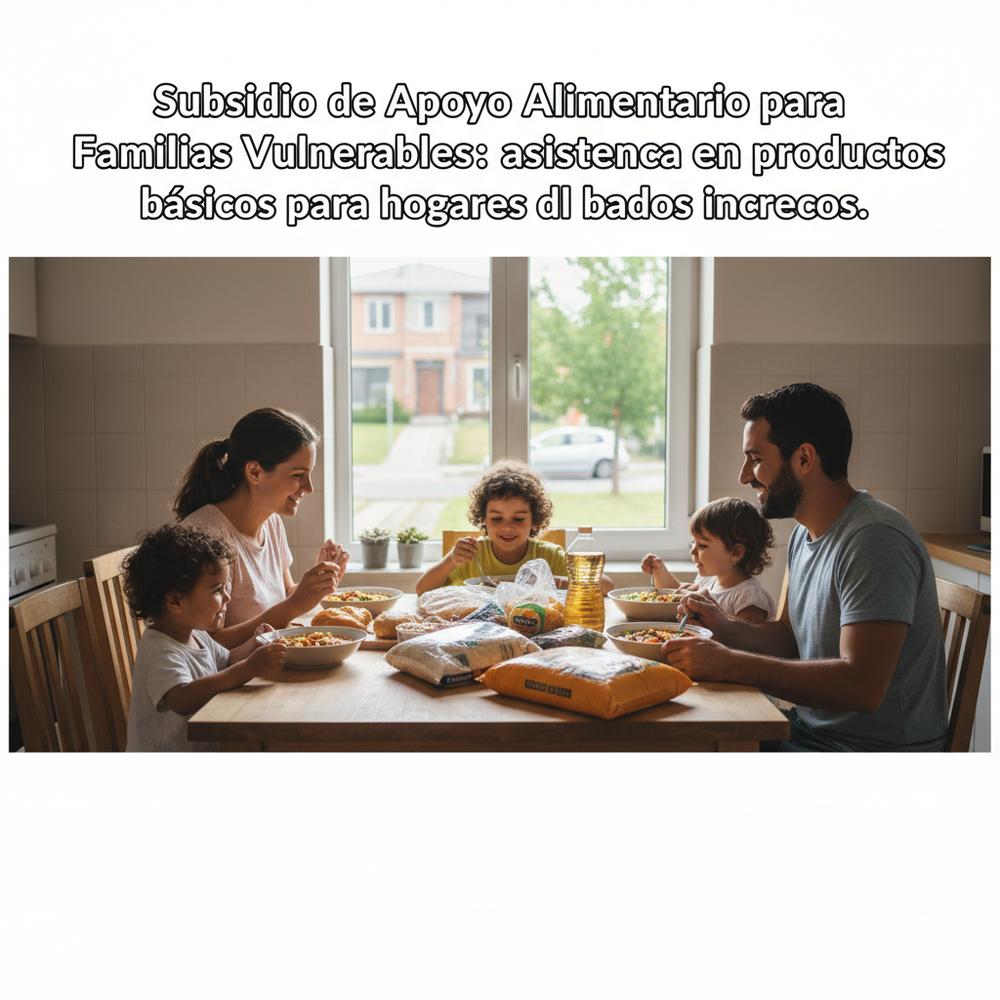
Subsidio de Apoyo Alimentario para Familias Vulnerables: Asistencia en Productos Básicos para Hogares de Bajos Ingresos
Navigating the complexities of providing for a family, especially with limited financial resources, can be incredibly challenging. The Subsidio de Apoyo Alimentario para Familias Vulnerables (Food Support Subsidy for Vulnerable Families) is a crucial program designed to ease this burden. This article will explore what this subsidy entails, who is eligible, how to apply, and its overall impact on low-income households, ensuring you have a comprehensive understanding of this vital support system.
¿Qué es el Subsidio de Apoyo Alimentario? 🍎
The Subsidio de Apoyo Alimentario, or Food Support Subsidy, is a government initiative aimed at providing **financial assistance to vulnerable families** to help them afford essential food items. It’s designed to ensure that low-income households have access to a basic nutritional foundation, reducing food insecurity and promoting better health outcomes. The subsidy usually takes the form of direct cash payments or vouchers that can be used at designated stores to purchase groceries.
¿Quiénes son Elegibles para Recibir este Apoyo? 🙋♀️
Eligibility criteria for the Food Support Subsidy can vary depending on the specific program and region, but generally, it focuses on households that meet certain income thresholds and demographic characteristics. Here’s a breakdown of typical eligibility factors:
- Income Level: The most common criterion is having an income below a certain threshold, often defined as a percentage of the poverty line. This ensures that the subsidy reaches families who are struggling the most financially.
- Family Size: Larger families often face greater financial pressures when it comes to food expenses. Therefore, eligibility may be adjusted based on the number of members in the household.
- Dependents: Families with children, especially young children, are often prioritized. The presence of elderly or disabled individuals who are dependent on the household income can also influence eligibility.
- Residency Status: Applicants typically need to be legal residents or citizens of the country or region offering the subsidy.
- Participation in Other Programs: In some cases, enrollment in other social assistance programs, such as unemployment benefits or housing assistance, can automatically qualify a family for the Food Support Subsidy.
¿Cómo Solicitar el Subsidio de Apoyo Alimentario? 📝
The application process for the Food Support Subsidy usually involves several steps. Knowing what to expect can make the process smoother and less stressful. Here’s a general outline:
- Research: Start by researching the specific requirements and application procedures for the Food Support Subsidy in your region or country. Government websites, local social services offices, and community organizations are excellent resources.
- Gather Documentation: Collect all necessary documents, which typically include proof of income (pay stubs, tax returns), identification (driver’s license, passport), proof of residency (utility bills, lease agreement), and information about household members (birth certificates, social security cards).
- Complete the Application: Fill out the application form accurately and completely. Double-check all information to avoid delays or rejection.
- Submit the Application: Submit the application through the designated channels, which may include online portals, mail, or in-person at a social services office.
- Follow Up: After submitting your application, follow up to check on its status. Be prepared to provide additional information or documentation if requested.
El Impacto del Subsidio en Hogares de Bajos Ingresos 🏘️
The Food Support Subsidy can have a profound impact on the lives of low-income families. Its benefits extend beyond simply putting food on the table. Here’s how it helps:
- Reduced Food Insecurity: The most direct impact is a reduction in food insecurity. Families can afford a more consistent and nutritious diet, leading to better health outcomes. 💪
- Improved Health Outcomes: Access to nutritious food is essential for physical and mental health. The subsidy can help prevent malnutrition, reduce the risk of chronic diseases, and improve overall well-being.
- Economic Relief: By covering some of the costs of food, the subsidy frees up household income for other essential expenses, such as housing, utilities, and healthcare. 💰
- Enhanced Educational Opportunities: Children from food-secure households tend to perform better in school. Proper nutrition supports cognitive development and concentration, leading to improved academic outcomes. 🍎📚
- Strengthened Family Stability: Financial stress can strain family relationships. The subsidy can alleviate some of this stress, contributing to greater stability and cohesion within the household.
Desafíos y Consideraciones 🤔
While the Food Support Subsidy is a valuable resource, there are challenges and considerations to keep in mind:
- Adequacy of Benefits: The amount of the subsidy may not always be sufficient to cover the full cost of a nutritious diet, especially in areas with high living costs.
- Accessibility: Some eligible families may face barriers to accessing the subsidy, such as lack of awareness, language barriers, or difficulty navigating the application process.
- Stigma: Some individuals may feel stigmatized by receiving public assistance, which can discourage them from applying.
- Sustainability: The long-term sustainability of the subsidy program depends on government funding and political support.
Consejos para Maximizar los Beneficios del Subsidio 💡
If you are receiving the Food Support Subsidy, here are some tips to help you make the most of it:
- Plan Your Meals: Create a weekly meal plan based on your budget and nutritional needs. This will help you avoid impulse purchases and ensure that you are buying healthy foods.
- Shop Smart: Compare prices at different stores and take advantage of sales and discounts. Consider buying in bulk when possible to save money.
- Cook at Home: Eating out is generally more expensive than cooking at home. Prepare your own meals using affordable and nutritious ingredients.
- Utilize Food Banks and Pantries: Supplement your subsidy with assistance from local food banks and pantries. These organizations can provide free food and other essential items.
- Learn About Nutrition: Educate yourself about healthy eating on a budget. This will help you make informed choices and ensure that you are getting the most nutritional value for your money.
Recursos Adicionales ℹ️
Here are some additional resources that can provide further information and support:
- Government Websites: Check the websites of your local and national government agencies for information about food assistance programs.
- Social Services Agencies: Contact your local social services agency for assistance with applying for the Food Support Subsidy and other social welfare programs.
- Community Organizations: Reach out to community organizations that provide food assistance, financial counseling, and other support services.
- Nonprofit Organizations: Explore the websites of national and international nonprofit organizations that work to combat hunger and poverty.
Understanding the Food Support Subsidy for Vulnerable Families is essential for those who need assistance and for advocates working to alleviate poverty. By knowing the eligibility requirements, application process, and potential impact, families can access the support they need to thrive.
The Food Support Subsidy plays a crucial role in providing a safety net for vulnerable families, offering them access to essential food items and improving their overall well-being. It’s a testament to the importance of social support programs in creating a more equitable and healthy society. Understanding, accessing, and maximizing the benefits of this subsidy can significantly improve the lives of those who need it most, fostering stronger and more resilient communities.
Si deseas más información visita el sitio oficial: aquí.